
I-Shou University's Freshman Education Innovation Receives National Recognition: Wins "Featured School Award" at the T-FYE Taiwan First-Year Experience Conference and "FYE 50 Award" Special Recommendation, Creating a "Space × Curriculum × Community" Freshman Cultivation Model
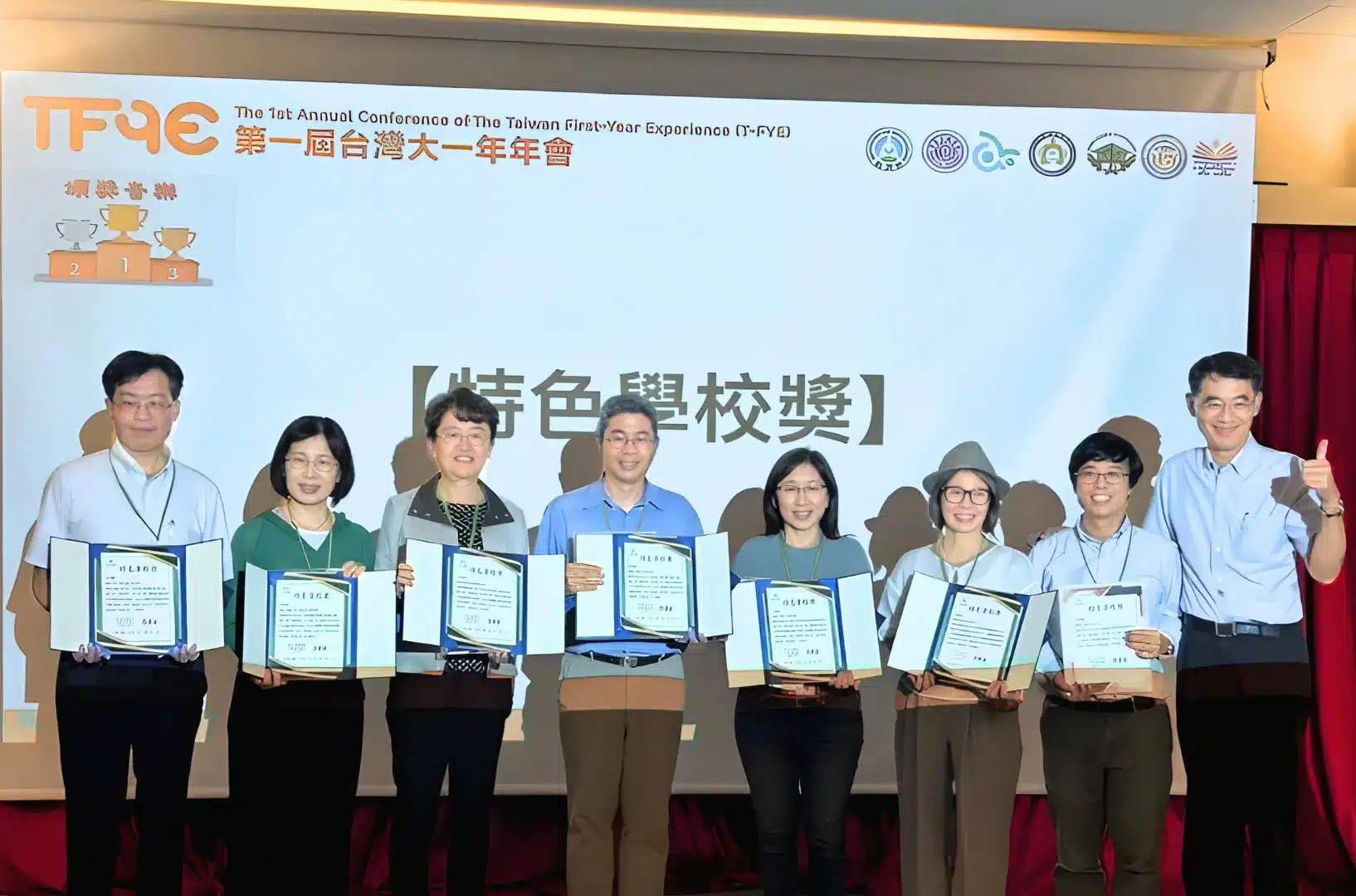
While most universities are still pondering “how to help freshmen adapt to campus life,” I-Shou University (ISU) has already proposed a concrete and verifiable freshman cultivation model through two years of practical implementation and data results. From April 10th to 11th, the first “T-FYE Taiwan First-Year Experience Annual Conference,” hosted by National Tsing Hua University, took place. The conference, themed “Cross-disciplinary · Exploration · New Choices,” focused on the transformation and innovation of freshman education in the AI era. ISU stood out at this national conference, winning the “Featured School Award” in one fell swoop, while the research team’s paper also received the “FYE 50 Award” Special Recommendation, making it a case of national attention.
Stepping into ISU’s Well-being Center, one notices it is quite different from the serious atmosphere of traditional administrative offices. The space is equipped with a piano, plants, a transparent exhibition space, and a “Comfort Room” that provides a place for students to relax their bodies and minds. Here, students can drink a cup of tea, discuss their future direction with a learning planner, or simply quietly organize their thoughts. This space is precisely the vital core of ISU’s triple design of “Space × Curriculum × Community”. Dean of Student Affairs Wu Tai-Hsi stated that traditional administrative offices often make students feel a sense of distance and pressure; when students encounter difficulties, they often don’t know where to seek help, or even dare not speak up. The original intention of the Well-being Center’s design was precisely to lower the barrier to seeking help. “We hope students can see themselves and be seen. Support should not only be activated when a crisis appears, but become a part of daily learning,” he said. Relevant data shows that this design is gradually showing results. In the 114th academic year, the Well-being Center organized a total of 214 activities covering diverse themes such as yoga, career exploration, psychological support, and outcome exhibitions, with an overall satisfaction rate exceeding 90%. It is worth noting that the number of freshmen actively seeking assistance from “Learning Planners” grew by 119% compared to the previous academic year, indicating that students are gradually shifting from passively receiving help to actively planning their learning direction.
In terms of curriculum design, ISU has planned a compulsory general education course, “Smart Technology Code,” for all freshmen. The goal of the course is not to train engineers, but to allow all students, whether majoring in languages, communications, or management, to understand how artificial intelligence and digital technology are changing society and to think about the connection between these changes and their own futures. ISU’s research team conducted a pre- and post-test analysis on over a thousand students taking the course in the 113th academic year, and the results showed that students’ familiarity with emerging technologies increased by an average of two times. General Education Center Director Chen Hou-Kuang pointed out that the focus of this course is not memorizing technical terms, but allowing students from different backgrounds to establish a concrete understanding of technology through case studies and practical operations. “After taking the course, students don’t just know what AI is, but can understand that these tools can help them,” he noted. In addition, ISU is simultaneously promoting the “One Student, One Schedule” system, which allows students to plan their personal learning paths based on their interests and career directions through cross-college credit recognition and a flexible elective mechanism. This breaks the traditional departmental framework and truly implements cross-disciplinary learning within the system. Outside the classroom, the university also extends learning momentum through learning communities and freshman communities. Most learning communities are initiated by the students themselves, covering themes such as academic improvement, professional certifications, and practical projects. By the end of the 114th academic year, the cumulative number of participants in learning communities reached 933, and the satisfaction rate has long been maintained between 93% and 96%.
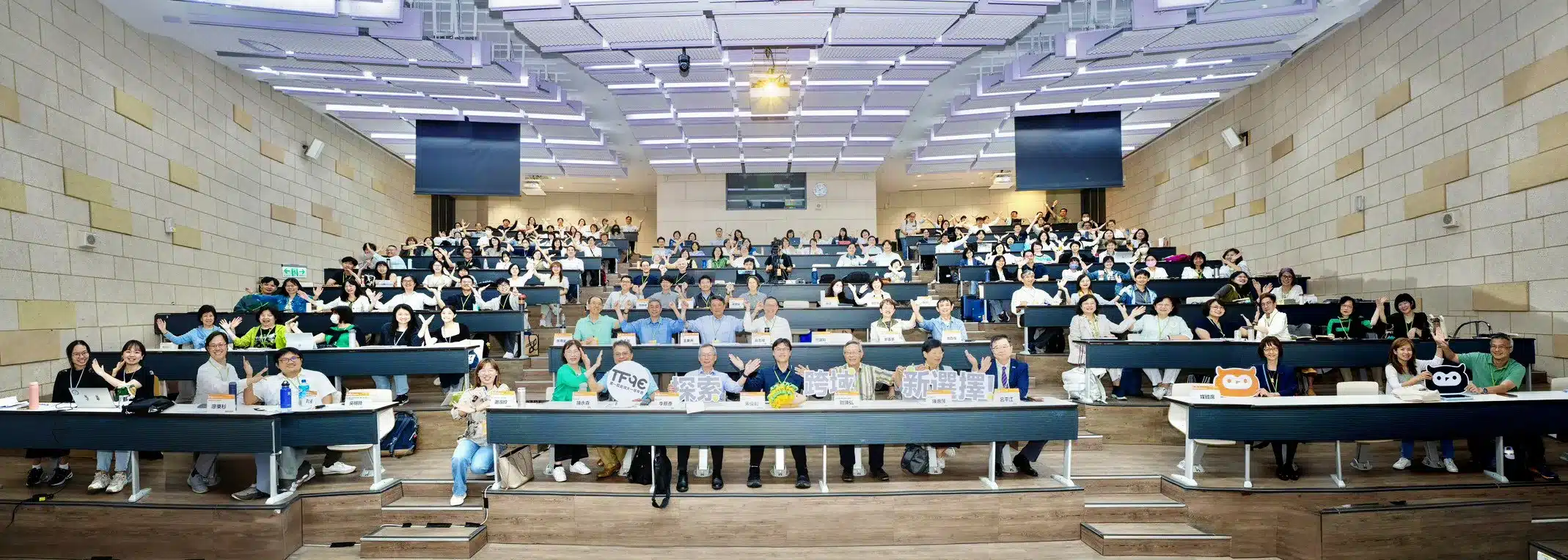
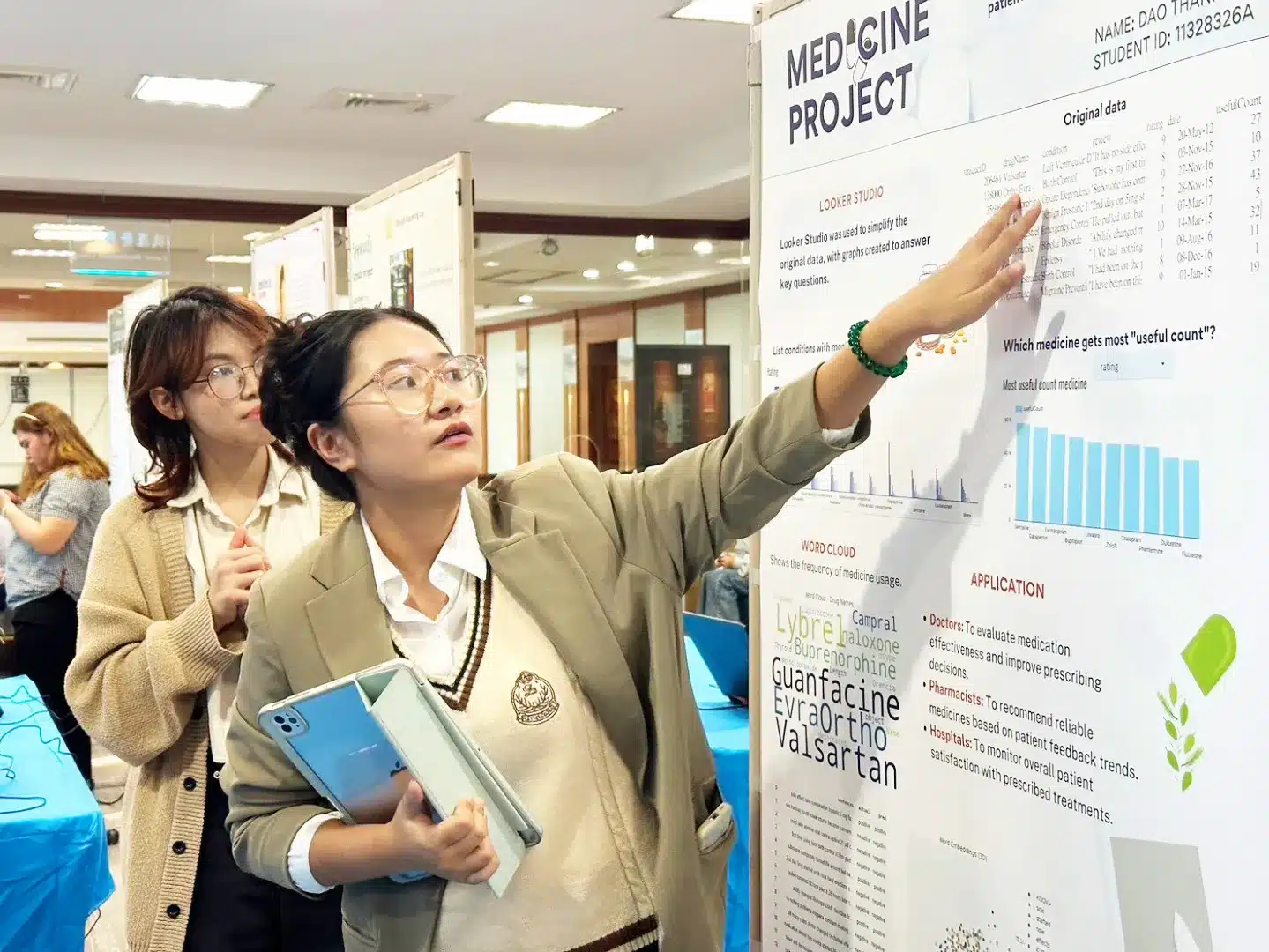
In addition to the university as a whole being awarded the Featured School Award, the research team led by Center for Teaching and Learning Development Director Cheng Wei-I also participated in the FYE 50 Award (First-Year Experience Research Award) hosted by the Ministry of Education with their paper, “The Triple Design of ‘Space × Curriculum × Community’: Practical Experience and Effectiveness of I-Shou University’s Freshman Support Model”. They received a “Special Recommendation” among submissions from universities across Taiwan and were invited to publicly display their research results in poster format at the annual conference, sharing ISU’s practical experience with other universities. Director Cheng Wei-I stated: “University learning is not just about taking courses and exams, but a journey of self-exploration. We hope students start trying and thinking in their freshman year, rather than waiting until graduation to face the future.” Dean of Academic Affairs Chang Li-Ching pointed out that the significance of the two awards lies not only in external recognition, but more importantly, it validates the university’s direction in institutional design over the past two years. “The freshman year is an important stage for students to rethink their learning direction. We hope that through the system, students can find support when they need it and make learning choices with more direction.”
Looking comprehensively at the freshman education reforms promoted by ISU in recent years, from space creation and curriculum design to community support, a complete and effective freshman cultivation model has been gradually established. This not only enhances students’ abilities for active learning and exploration but also responds to the new demands for talent cultivation in the AI era, providing a benchmark practical case for the development of higher education in Taiwan.