
TEDxISU 2026 - Journey for Tomorrow | "The Credibility Signal Theory: How Careers Are Priced Like Assets" - Dastan Kasymov
It was 9 PM. Dastan Kasymov had a deadline. And he knew he was not going to make it.
So he did what most of us do. He stayed silent.
That silence, he told the audience at TEDxISU 2026, cost him more than the missed deadline ever could. And it became the starting point for an idea he spent the next fifteen minutes building from the ground up.
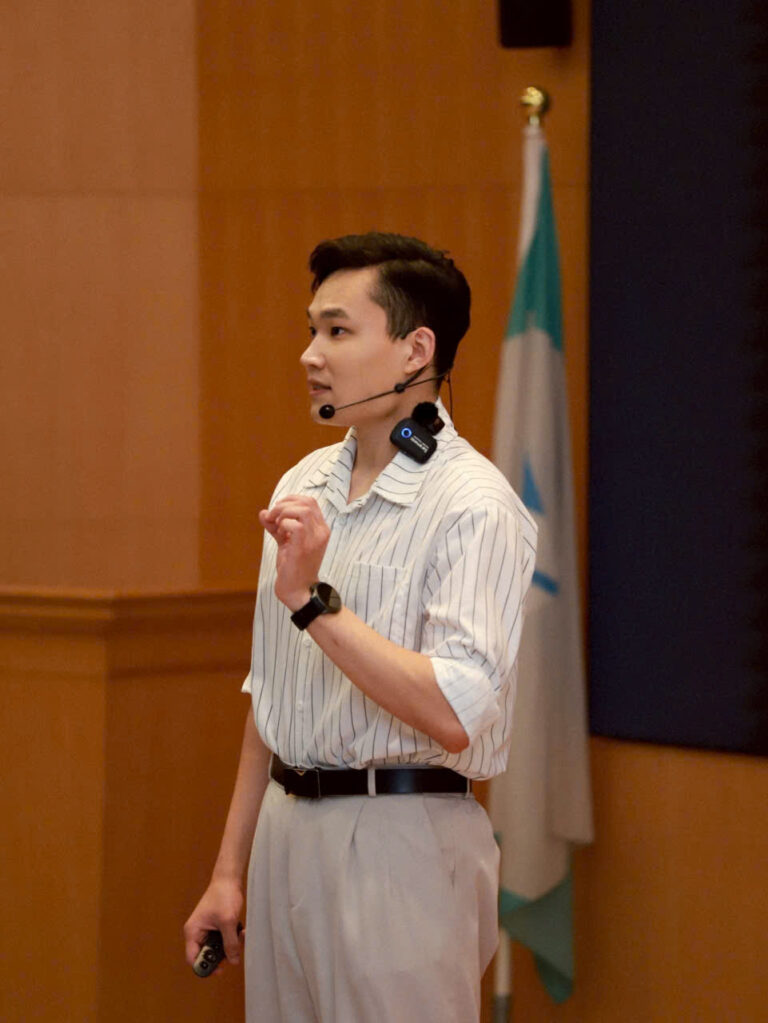
The moment that changed the question
Earlier that day, a colleague had asked if he could send some slides by 9 PM. It was 3 PM. Six hours. He said yes without thinking twice. By 8:30 he was behind, and he had a choice: send one message, ten seconds, “I’m running late,” or say nothing and hope he could still pull it off. He chose silence. Nine PM passed. Ten PM passed. The slides arrived at 11:45.
They were good slides. But by then, the trust was already damaged, and the damage had nothing to do with the delay. It came entirely from the silence in between.
"People don't lose trust because we fail. They lose trust because of the signals we send before the outcome even arrives."
Dastan Kasymov
That question, sitting in the wreckage of one uncomfortable evening, became the framework Dastan brought to the stage: the Credibility Signal Index, or CSI.
Your career is not valued by your talent. It is priced by your signals.
The core idea is straightforward. Managers do not fully see your discipline. Clients do not fully see your effort. What they see are signals, and those signals are what determine how much trust, responsibility, and opportunity gets directed your way.
Dastan broke the framework into three components. The first is delivery: did you do what you said you would do? That is the baseline, the minimum required to be taken seriously. The second is transparency: when things changed, did you warn early, or did you stay quiet and hope the problem would fix itself? The third, and the one he called the credibility killer, is the surprise penalty. Going dark, letting someone discover a problem on their own rather than hearing it from you first, is where credibility crashes hardest and recovers slowest.
He illustrated it with an elevator. You press the button, the screen counts down from seven, and even though the elevator is slow, you are calm, because the signal is clear and you can see it moving. Now the screen freezes at seven. Suddenly you are asking whether it is broken, whether you should take the stairs, whether you are going to be late. The panic is not about slowness. It is about the absence of a signal. Careers, he argued, work exactly the same way.
"If you're late but transparent, people adjust. If you're talented but silent, people start protecting themselves from you."
Dastan Kasymov
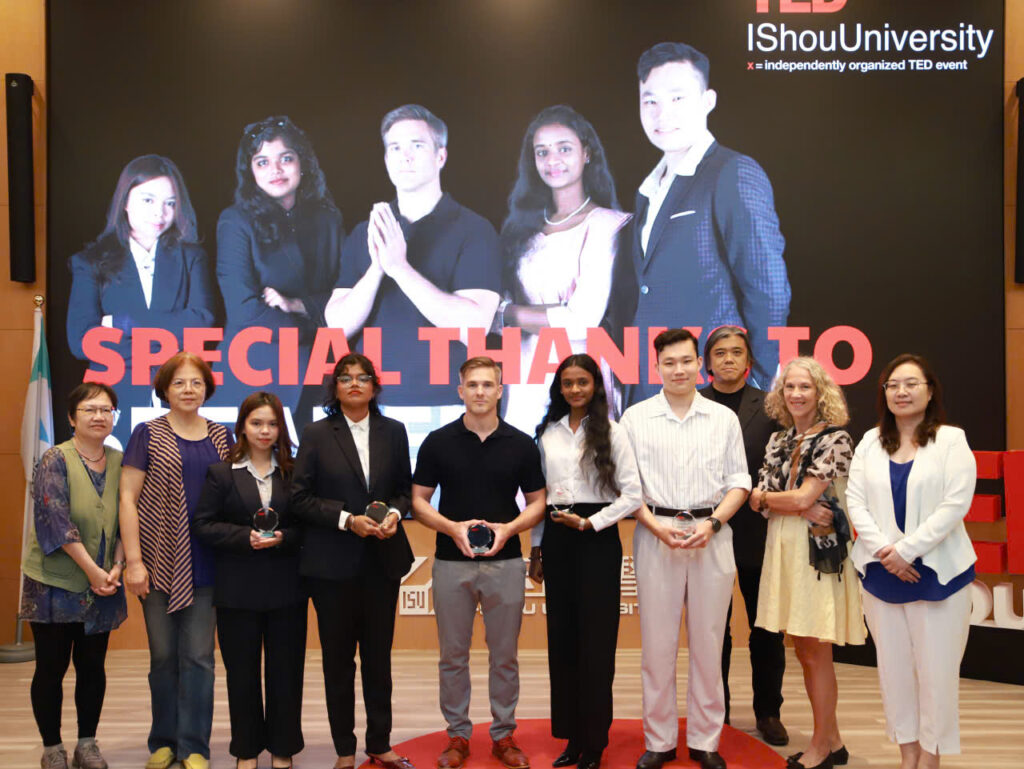
Tested, not theorized
What separated Dastan’s talk from a general lesson in communication was that he had actually run the numbers. Over thirty days in December, he tracked every promise he made, not just major deadlines but the small, half-conscious ones too: “I’ll reply later,” “I’ll send it tonight,” “I’ll get back to you by Friday.” He counted 47 commitments in a single month, most of which he had not even registered as promises at the time.
His delivery rate was 74 percent. His transparency rate, how often he warned early when something changed, was 82 percent. But the number that mattered most was six: the number of times he went dark and someone had to discover the problem on their own. Those six surprise events did more damage to his credibility than the other 41 commitments combined.
"Being busy did not destroy my credibility. Being busy and silent did."
Dastan Kasymov
The right question to be asking
Dastan closed by reframing the ambition most people walk into their careers with. The typical question is how to become more impressive. Better skills, stronger results, a longer list of achievements. But the biggest opportunities, he said, do not always go to the most talented person in the room. They go to the person who feels safest to rely on.
"People don't hate bad news. They hate unexpected news."
Dastan Kasymov
Bad news gives people something to work with. Unexpected news takes away their ability to plan. And when people cannot plan around you, they stop trusting you, regardless of how capable you actually are.
He also widened the argument beyond personal reputation. In a future where work becomes faster, more digital, and more interconnected, credibility will matter more rather than less. People will keep making decisions under uncertainty, and they will keep relying on signals to do it. The future will not reward only the smartest people in the room. It will reward the people others can actually rely on, the ones who communicate early, reduce panic instead of creating it, and make their process visible before silence forces everyone else into reaction mode.
"Credibility is not just reputation. It is infrastructure. It is what makes collaboration possible."
Dastan Kasymov
For a senior in the International Program of Artificial Intelligence at I-Shou University, it was a grounded and unusually practical contribution to a stage more often occupied by big ideas. Dastan Kasymov came with a framework, a dataset, and a reframe worth carrying out of the room: if credibility behaves like an asset, it can be managed, strengthened, and compounded intentionally.