
ISU Cultivates Global Award-Winning Creators through Technological and Creative Innovation
Recognized as a premier training ground for Taiwan’s film and television industry, the Department of Film and Television at ISU consistently demonstrates its academic excellence and creative prowess on the global stage. The department’s impact is reflected in the stellar achievements of its alumni: acclaimed actor Jing-Hua Tseng earned a nomination for Best Supporting Actor at the 62nd Golden Horse Awards for his role in The Family Business. At the same time, producer Chia-Lin Chung’s series Three Tears in Borneo triumphed at the 60th Golden Bell Awards, securing the prestigious “Best Miniseries” award. Further cementing the department’s international standing, the film The Burning House, executive-produced by Department Chair Chih-Chiang Li, was selected for the “Critics’ Picks” competition at the Tallinn Black Nights Film Festival, a prestigious Category A international film festival in Europe. These accolades transcend individual achievement, standing as a testament to the Department of Film and Television’s long-standing dedication to cultivating talent. Looking ahead, the Department of Film and Television is committed to serving as the creative engine of Southern Taiwan, nurturing a new generation of professionals with a global perspective to infuse the nation’s cinematic landscape with boundless energy.
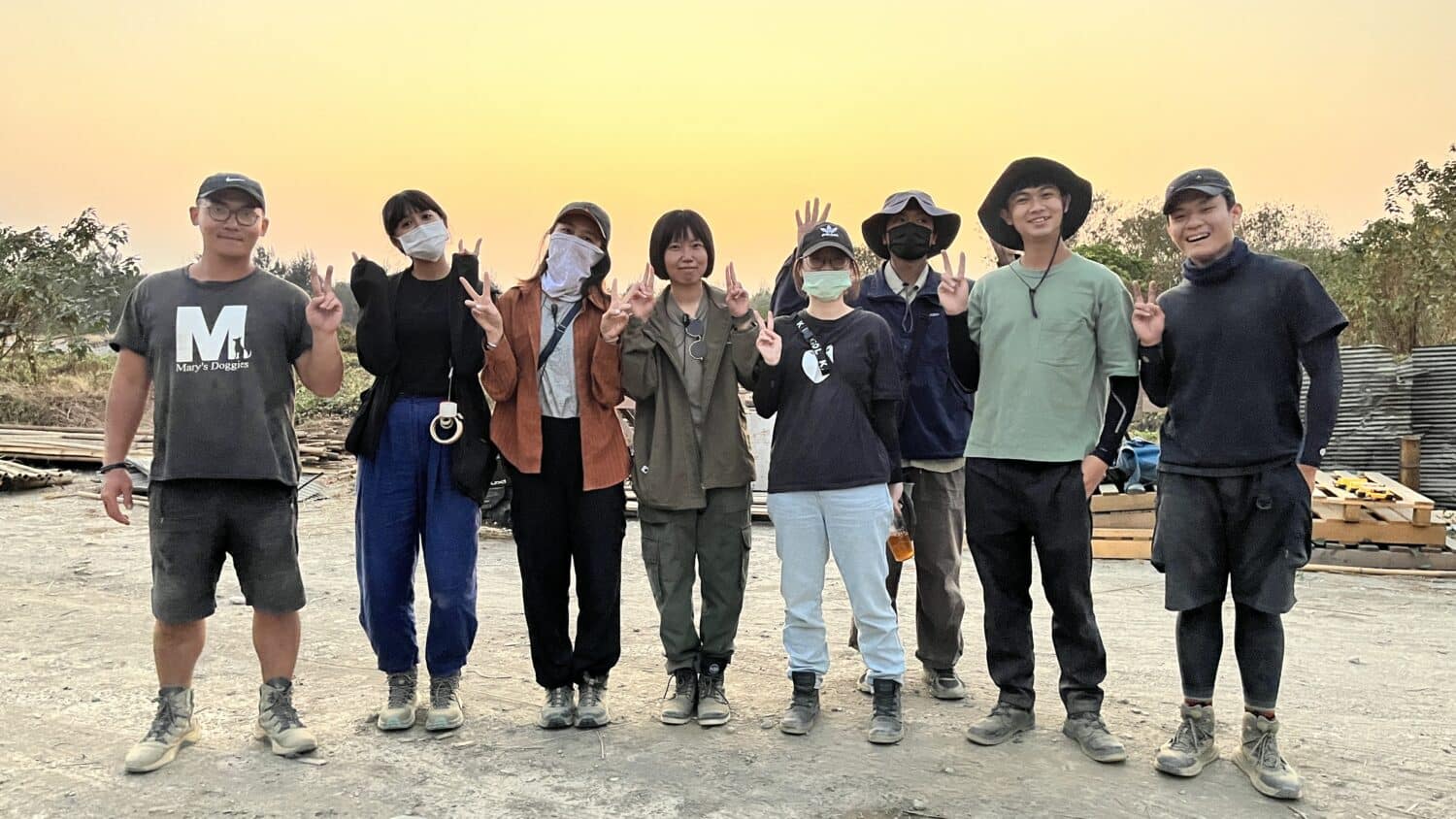
The production team behind Three Tears in Borneo included a significant number of alumni and current students from the Department of Film and Television. Spanning roles from production, cinematography, and lighting to art direction and sound assistance, this multi-generational collaboration stands as a powerful demonstration of the rigorous professional training and strong sense of teamwork fostered within the Department of Film and Television. Alumnus and producer Chia-Lin Chung reflected on the experience, stating: “Being part of such a major production that originated in Kaohsiung and seeing so many names from ISU in the credits was both exhilarating and deeply moving. I am incredibly grateful for the education and support I received from my alma mater. As I continue to develop new projects, I hope to see even more ISU talent joining our ranks. Together, we can tell compelling stories through film and showcase the creative vitality of ISU to the world.”
Guided by the core philosophy of “making films, not just talking about them,” the Department of Film and Television employs a modular curriculum that balances theoretical knowledge with rigorous hands-on experience. Throughout their four-year journey, students are required to produce a short film every semester. This immersive process, spanning from initial script development to final post-production, systematically hones their creative mindset and technical mastery. As a result, students graduate with extensive on-set experience and the collaborative skills essential for a seamless transition into the industry. Department Chair Li emphasized the department’s vision: “We believe that film education is more than just passing on technical skills; it is a discipline of creativity and the humanities. We encourage our students to be bold in their experimentation and articulate in their expression, using images to document life and stories to move the world.” In response to the rapid evolution of AI and digital imaging, the Department of Film and Television remains committed to its creative roots while actively driving pedagogical innovation. By integrating emerging technologies such as AI-generated content, virtual production, and digital narrative analysis, the department empowers students to blend artistic vision with technological fluency, preparing them to become next-generation creators who possess both aesthetic depth and technical expertise.
Today, alumni of the Department of Film and Television at ISU have established a prominent presence across film production firms, streaming platforms, and the advertising and digital media sectors, thriving on both the national and international stages. Whether serving as directors, producers, cinematographers, or editors, these professionals leverage visual storytelling and creative innovation to generate value, reflecting the rigorous professional training provided by the Department of Film and Television. Far more than an academic institution, the Department of Film and Television is a vital engine transforming dreams into practice. As the leading hub for film and television talent and creative production among comprehensive universities in Southern Taiwan, the department’s faculty and students have achieved remarkable success, with their works consistently recognized at prestigious film festivals worldwide. Through these efforts, the Department of Film and Television continues to inject dynamic energy into Taiwan’s cinematic education and the cultural and creative industries.