
Professor Slađana Cabrilo: AI, Knowledge, And The Enduring Value of People
She didn’t announce it like an achievement. In the middle of our conversation, she simply turned the book toward me, as if remembering something midway.
“The foreword,” she said, smiling, “is written by Nick Bontis.”
To those in her world, that name is a landmark. Nick Bontis is a pioneer in intellectual capital whose work has shaped how organisations have begun to think about knowledge as value since the 1990s. Decades later, he was writing the foreword to her book “Futurizing Intellectual Capital”.
It was undeniably a “wow” moment. But only briefly. Because the foreword, impressive as it is, is not the point. It is the cherry on top, and no one buys a cake for the cherry. What matters lies beneath: the thinking process, the questions, and the long intellectual journey of Professor Slađana Cabrilo.
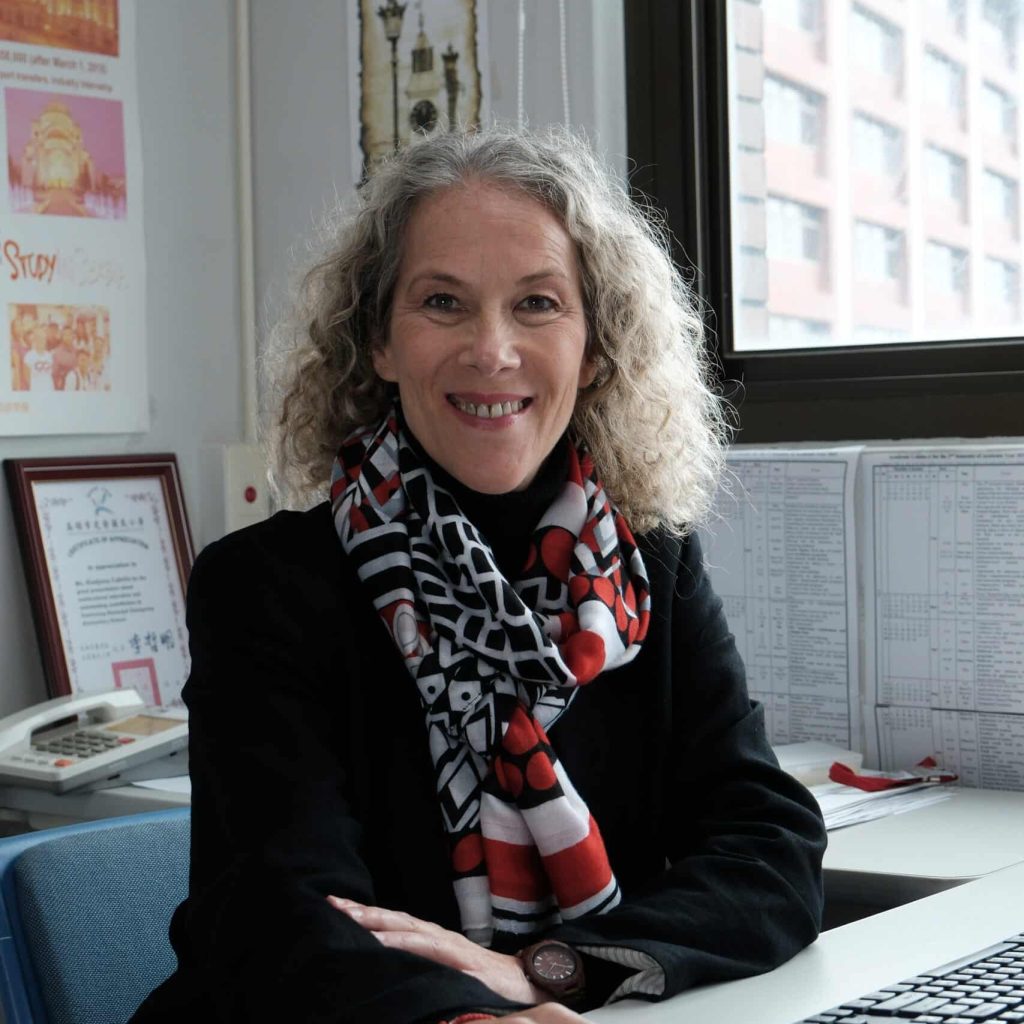
A Life That Began In “Certainty”
In late-20th-century Serbia, her world was measured by precision and certainty: Maths. Science. Engineering. Systems that obey rules. Codes that compile or fail. Problems that promise answers if you are precise enough.
With a Master’s degree in Electrical Engineering, she worked as an engineer, mastering complex systems, data, and structures that behave predictably when designed correctly.
But technical excellence has a ceiling. As she pursued further studies in Industrial Engineering and Management at the University of Novi Sad, a tension began to emerge. The problems that interested her most no longer had clean answers. They involved people, communication, learning, and decision-making, areas where logic alone was insufficient.
It pushed her toward a field that was, at the time, still emerging: Intellectual Capital and knowledge management. It was her shift away from technical certainty and toward human complexity.
Leaving Comfort Behind
“I wanted to grow,” she said. By then, she already had different experiences in both industry and academia, from software engineering, business development, to education. She had a home, a reputation, and a safe harbour in the academy.
But safety can be a slow-growing vine that eventually strangles potential. When a renowned professor in Paris suggested, almost by chance, that Taiwan could be her place to learn more about knowledge management, she listened.
In 2015, she moved across continents with her family without deep prior knowledge of the island, without certainty of belonging. East Asian cultural codes were subtle and indirect. Communication was layered with silence.
She learned to observe before explaining, to listen before concluding. She learned the language and the quieter grammar of hesitation, subtle cues, and harmony beneath it. There were moments of difficulty, sacrifice, and doubt, alongside the quiet awareness that leaving was always an option, a privilege not everyone has.
Still, she stayed. Not only to work, but to belong.
The Future Of The Intellectual Capital Field
Knowledge does not sit still. It moves, evolves, and takes life in the people who create, share, and nurture it. After decades in the field, Professor Slađana Cabrilo has seen this truth in action. As a Full Professor at the Department of International Business Administration at I-Shou University, her research has reached the field’s most respected journals, yet her influence is felt most directly in the students and colleagues she guides.
Her latest book, “Futurizing Intellectual Capital”, is a testament to that belief. Guided by her hand and alongside co-editors Aino Kianto and Lina Užienė, she brings together voices across the world to imagine what knowledge could be in an era of AI, global change, and ethical uncertainty.
The book brings together 25 contributors across 16 chapters under the editorial leadership of Aino Kianto, Slađana Cabrilo, and Lina Užienė. Together, three female editors challenge the ghosts of old models.
“Futurizing Intellectual Capital” is born not to answer these questions definitively, but to open a space for reflection, dialogue, and imagination. The new era is only beginning, and much remains to be explored. The future of the Intellectual Capital field depends on collaboration, on more voices joining in the conversation, and on researchers across the world contributing to its growth.
The World Is In Our Hands And… AI?
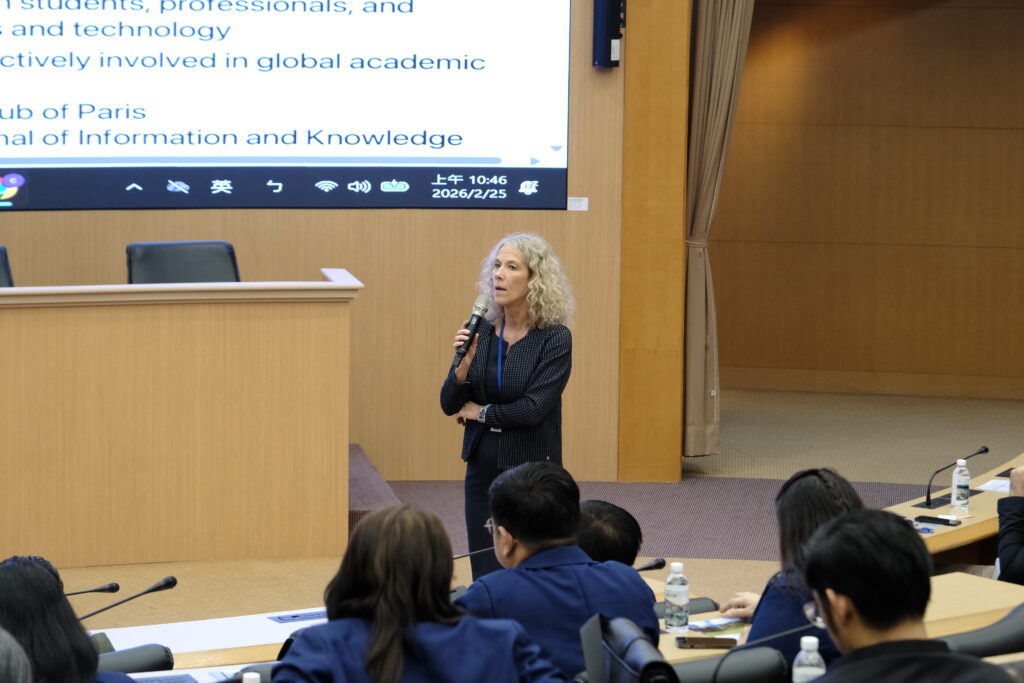
When AI breathes new life into the way humans collect, manage, and connect knowledge, people begin to question their own understanding of what they once thought was uniquely human. Will AI generate knowledge as humans do? Will it truly think, understand, or grasp meaning? Or will it remain a machine that only works, never wonders?
In the excitement and fear of humans, and in the quiet awe of researchers, this tension sparked her book. It’s time to stop fighting over who “wins” or cling to human ego as the measure of value. Instead, we can learn to collaborate with AI, to treat it as a partner – “an intellectual companion” that enhances what we can imagine and create.
For Professor Cabrilo, the real power of knowledge does not lie in databases or algorithms. It lives in people: in our conversations and curiosity, coded in empathy and judgment, in the courage to step into uncertainty, and in nurturing ideas that can grow beyond ourselves.
The future of Intellectual Capital belongs to those who combine mind, heart, and bravery to shape knowledge, communities, and opportunity. And education, when done right, is the compass that guides them, the spark that awakens curiosity, and the light that carries ideas beyond ourselves.
Because in a world of evolving systems and new uncertainties, we cannot depend on the maps of the 1990s.
Dr. Sladjana Cabrilo