
ISU Secures Three National Teaching Excellence Awards for Research-Driven Classroom Innovation and Impactful Learning
Since 2017, the Ministry of Education (MOE) has been promoting the Teaching Practice Research Program for colleges and universities. This initiative encourages faculty members to use their classrooms as a starting point, employing action research to respond to diverse student learning needs and continuously enhance teaching quality. On December 22, 2025, the MOE announced the selection for the “2024 Teaching Practice Research Programs.” Out of 1,848 participating programs nationwide, only 181 were selected as exemplary, highlighting the intense competition of the evaluation. ISU delivered an outstanding performance in this selection, securing recognition for three exemplary projects across engineering, medicine and nursing, and project-based technical practice. These awards fully demonstrate ISU’s long-term dedication to teaching practice research, its proactive promotion of interdisciplinary innovation, and its successful commitment to student-centered education.
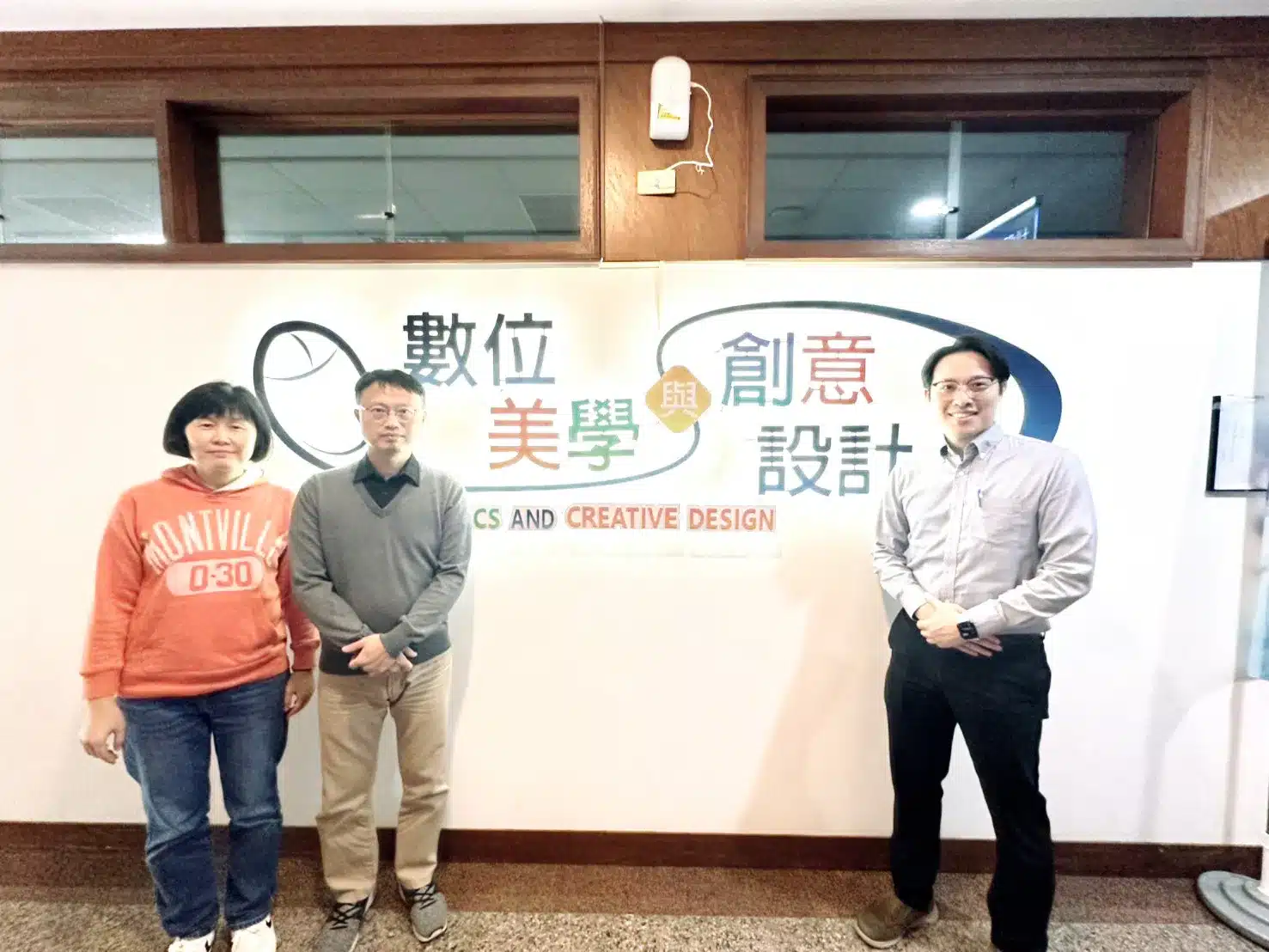
Among this year’s exemplary programs, Dr. Shih-Yen Hsu from the Department of Information Engineering at ISU received high recognition for his research titled “Integrating DTPBL Strategies into Multimedia Programming Practice.” This course combines Design Thinking with Problem-Based Learning (PBL) and integrates these methods into professional, practical teaching. By guiding students to explore and practice through real-world scenarios, the program strengthens their problem-analysis and problem-solving skills. Dr. Hsu noted that the project aims to bridge the gap between academic theory and practical application. By introducing actual industry cases, students can tangibly experience the value of professional knowledge during the learning process, thereby boosting their motivation and overall learning outcomes.
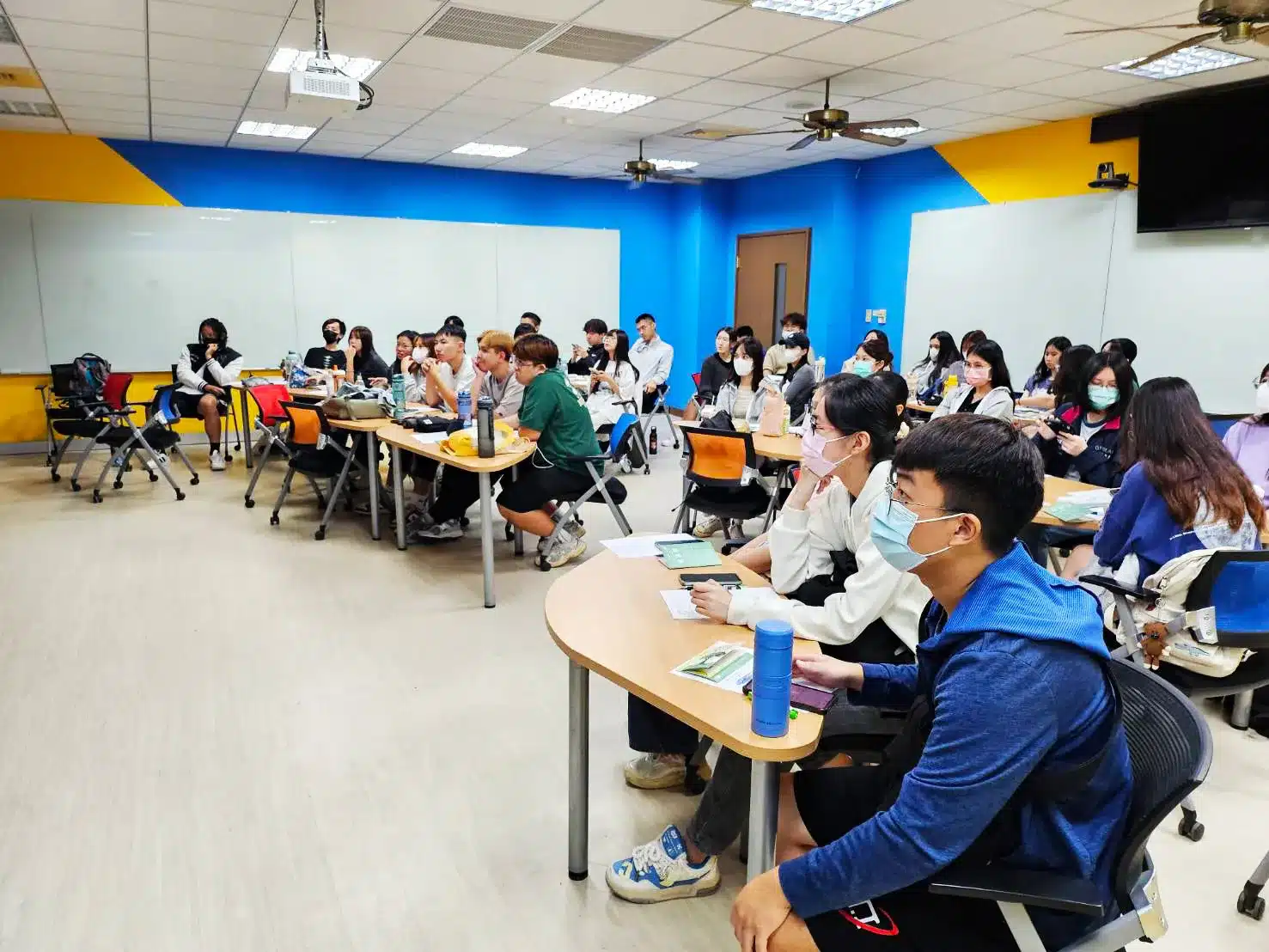
Dr. Su-Ying Tsai from the Department of Health Management was also selected for her exemplary program titled “Exploring the Impact of Integrating Chatbots and Cooperative Learning Support Models into Epidemiology Courses on Learners’ Motivation, Engagement, and Learning Outcomes.” The course combines chatbots with cooperative learning strategies to help students grasp abstract and complex professional concepts in epidemiology, thereby enhancing learning engagement and the depth of understanding. Dr. Tsai noted that the course design is learner-centered; with the assistance of technological tools, it helps students build confidence in their learning, clarify key concepts, and develop communication and collaboration skills throughout the cooperative learning process. She also emphasized that technology should serve as a tool to support learning. At the same time, it can improve efficiency; the core that truly guides the direction of learning remains pedagogical design, grounded in student needs and a spirit of humanistic care.
Dr. Kun-Cheng Chu from the Department of Biomedical Engineering was recognized for his exemplary program titled “Enhancing Student Interest and Learning Effectiveness in Circuit Theory Courses through the Integration of Inquiry and Team-Based Learning Models.” The course guides students through inquiry-based learning and team-oriented instruction, encouraging them to explore problems through hands-on practice while deepening their understanding of core circuit theory concepts through collaboration and discussion. This approach has effectively improved student engagement and learning outcomes. Dr. Chu expressed that seeing students build confidence, develop interest, and proactively engage in learning while facing challenges is the most precious and meaningful reward of teaching practice research, further strengthening his commitment to continuous instructional innovation.
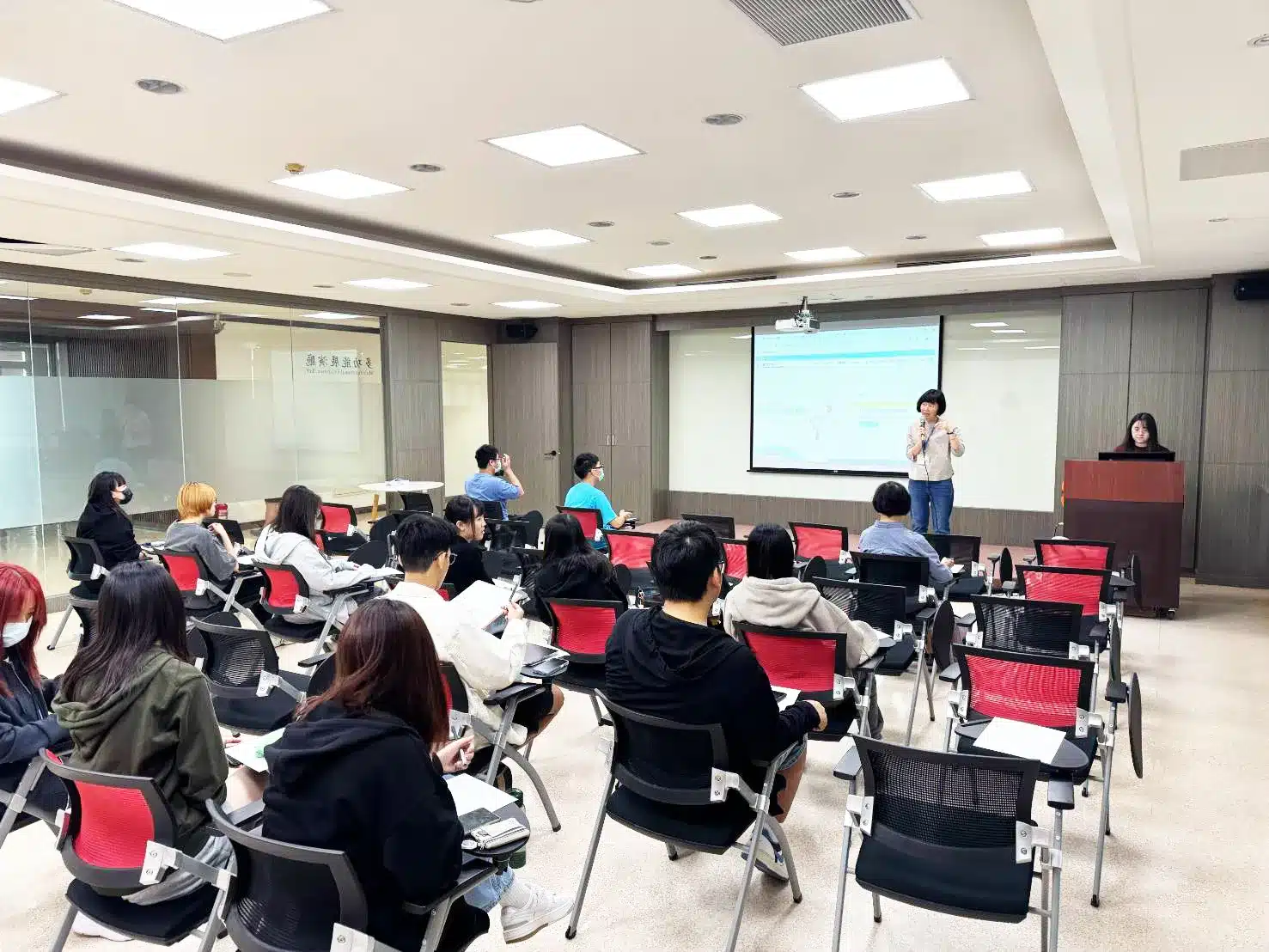
Dr. Li-Ching Chang, Dean of Academic Affairs, stated that the Teaching Practice Research Program is not only a vital journey for faculty professional growth but also a key driver for the university’s continuous improvement in teaching quality. ISU has long prioritized instructional innovation, with the Center for Teaching and Learning Development providing comprehensive assistance in administrative support and program execution. Together with the faculty, ISU strives to create a supportive environment that encourages pedagogical experimentation and innovative trials, ultimately enhancing the effectiveness of student learning and overall teaching quality.
ISU’s recent institutional performance and overall excellence have garnered widespread acclaim from various sectors. According to the rankings released by the Center for World University Rankings (CWUR), ISU ranks in the top 8.3% globally. Additionally, ten of the university’s faculty members have been included in the prestigious “World’s Top 2% Scientists” list. Recognition also comes from Global Views Monthly; in its “2026 Future Talent Special Issue,” ISU was honored as the “Most Promising Private University” for its educational prowess in AI and sustainability. ISU maintains that the essence of teaching is for students to achieve meaningful mastery of their subjects. The university remains committed to encouraging faculty members to integrate their research programs and expertise back into the classroom. By utilizing technology, inquiry-based learning, and evidence-based instructional design, ISU will continue to build a premier learning environment that aligns with student needs and prepares them for the challenges of a future society.